Longest Snakes Countdown
Below are the world's longest snake species, ranging from massive constrictors to the longest venomous snakes! The rankings below are determined exclusively by length. While the green anaconda is the world's heaviest snake, the reticulated python holds the record for overall length. Because exceptionally large snakes are rarely measured under controlled conditions, exact rankings beyond the top few species should be considered approximate.
Advances in DNA research have reshaped our understanding of several giant snake species. Throughout this article, you'll notice that some snakes once considered a single species are now recognized as two or more distinct species.
10. Olive Python
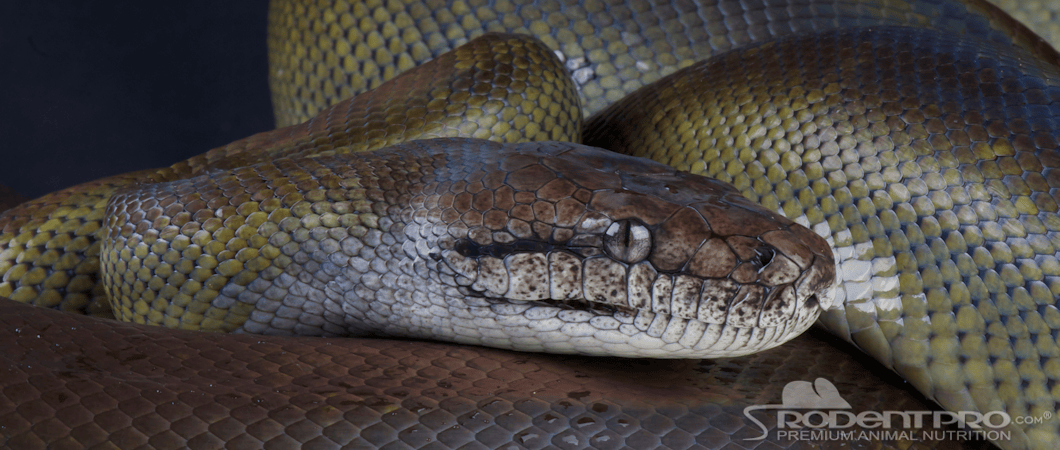
Olive Python (Liasis olivaceus)
The olive python is Australia's second-largest snake, surpassed only by the scrub python. Adults commonly reach 8 to 12 feet in length, with exceptional individuals exceeding 13 feet and weighing more than 40 pounds. They are named for their smooth, glossy scales, which display a distinctive olive-green to brown coloration that often shimmers in the sunlight.
Olive pythons are native to northern and western Australia, where they inhabit rocky gorges, escarpments, woodlands, and areas near rivers, permanent waterholes, and caves. Excellent climbers and swimmers, they are highly adaptable and often seek shelter in rock crevices during the heat of the day.
Like all pythons, olive pythons are nonvenomous constrictors. They feed on a wide variety of prey, including rodents, bats, possums, birds, reptiles, and other mammals. Unlike many large pythons, olive pythons are frequently observed hunting in and around water, where they readily capture both terrestrial and aquatic prey.
Although they are one of Australia's largest snakes, olive pythons are generally shy and reclusive, preferring to avoid human contact whenever possible.
9. Black Mamba
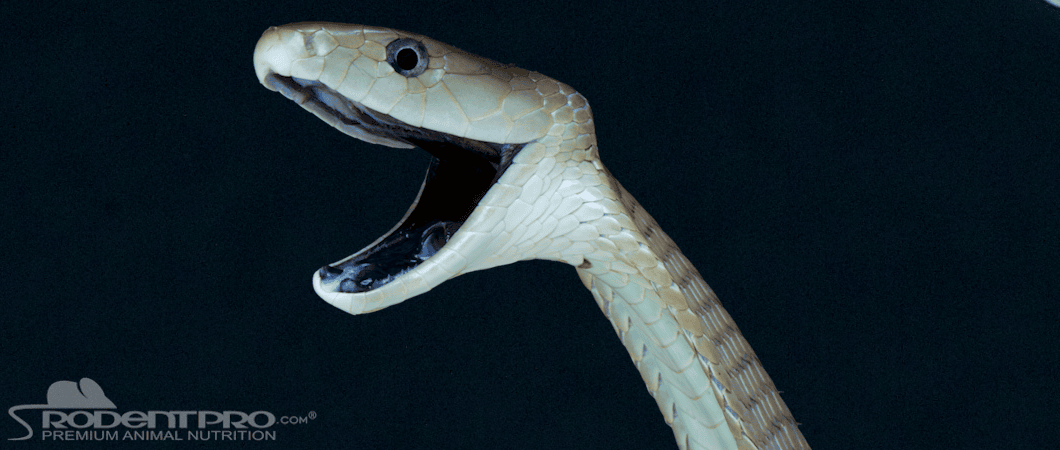
Black Mamba (Dendroaspis polylepis)
The black mamba is the second longest venomous snake in the world, surpassed only by the king cobra. Adults typically measure around 8 feet, although large individuals may reach 10 feet or more and exceptional specimens have been reported near 14 feet.
Native to sub-Saharan Africa, black mambas are actually gray to olive in color. Their name comes from the jet black interior of the mouth, which they display as a warning when threatened.
Black mambas are among the fastest snakes on Earth and possess highly potent neurotoxic venom capable of causing paralysis without prompt treatment. Unlike the giant constrictors on this list, black mambas actively hunt during the day, relying on speed, excellent eyesight, and repeated venomous bites to subdue small mammals and birds.
8. Boa Constrictor
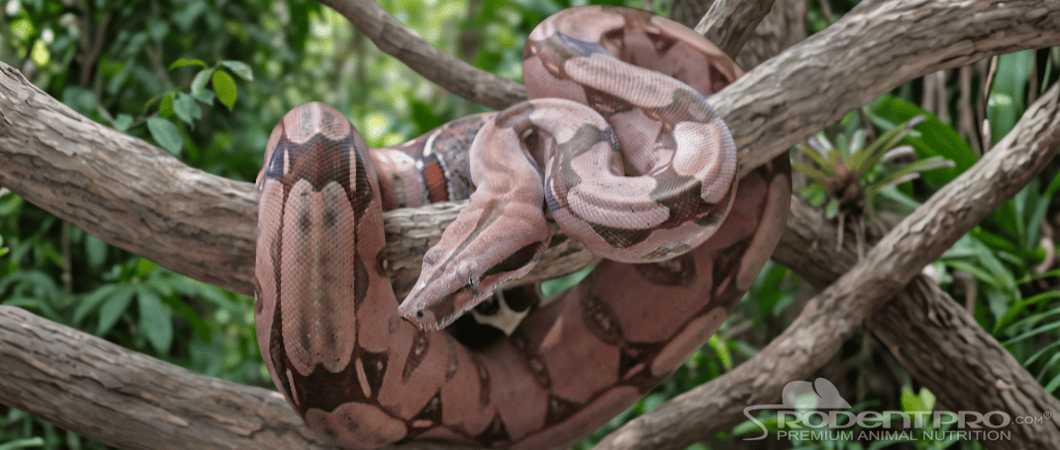
Red-tail Boa (Boa constrictor)
The red-tailed boa, commonly referred to as the boa constrictor, is one of South America's largest snakes. Adults regularly reach 8 to 12 feet, with some individuals growing to 14 feet.
Native to tropical forests and woodlands throughout northern South America, red-tailed boas are powerful ambush predators that spend time both on the ground and in trees. These heavy-bodied constrictors prey on mice, rats, rabbits, chickens, and quail.
Closely related is the common boa (Boa imperator), formerly classified as a subspecies but now recognized as a separate species. The common boa ranges from Mexico through Central America into northern South America and generally remains somewhat smaller than the red-tailed boa.
7. Yellow Anaconda
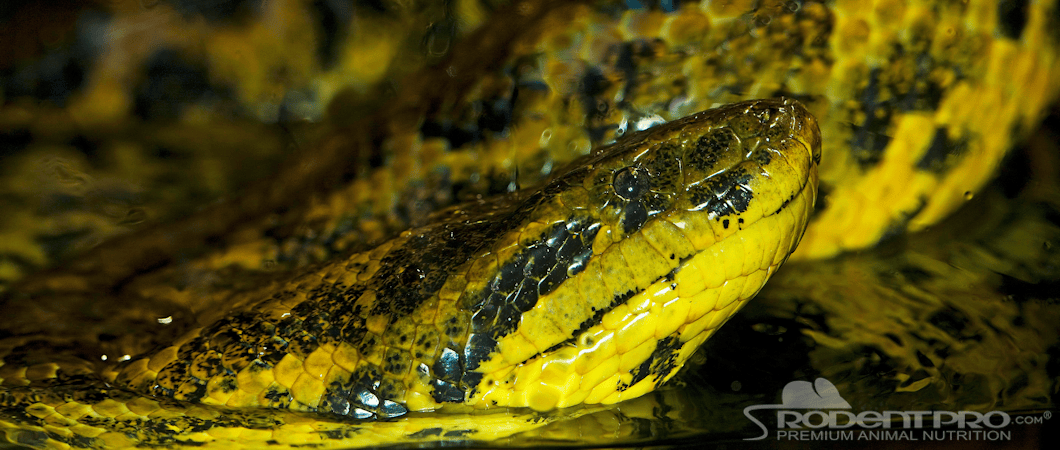
Yellow Anaconda (Eunectes notaeus)
The yellow anaconda is the second-largest species of anaconda, surpassed only by the green anaconda. Adults commonly reach 8 to 12 feet in length, although exceptionally large individuals can exceed 15 feet. While not as massive as their green relatives, yellow anacondas are heavily built snakes with muscular bodies that make them powerful aquatic predators.
Native to central South America, yellow anacondas are found throughout Paraguay, southern Brazil, eastern Bolivia, northern Argentina, and Uruguay. They inhabit slow-moving rivers, marshes, swamps, flooded grasslands, and wetlands, where their yellow to golden-brown coloration with distinctive black blotches provides excellent camouflage among aquatic vegetation.
Like other anacondas, yellow anacondas are nonvenomous constrictors that spend much of their lives in or near water. Their diet includes fish, birds, reptiles, amphibians, and mammals such as capybaras and other medium-sized animals. They ambush prey from the water's edge before using their powerful coils to subdue it and swallow it whole.
Although smaller than the green anaconda, the yellow anaconda remains one of the largest and heaviest snakes in South America and is an apex predator throughout much of its range.
6. King Cobra
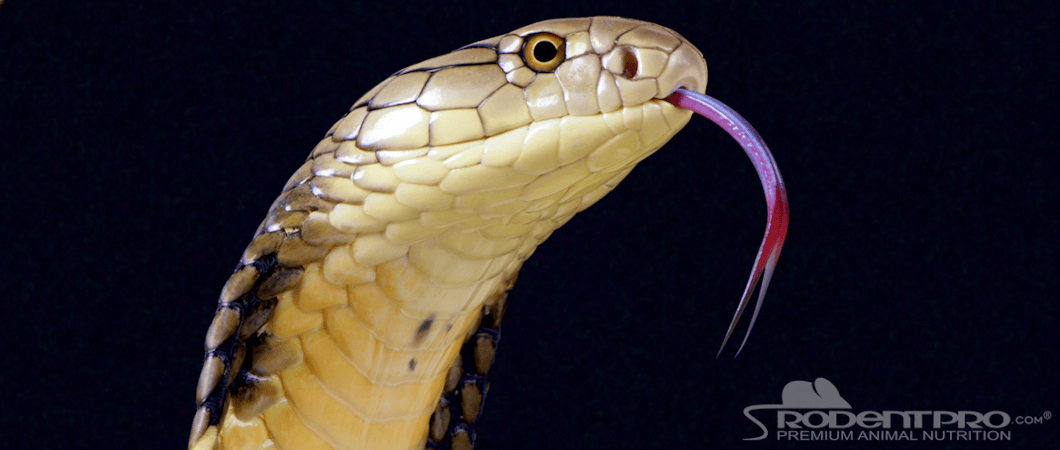
King Cobra (Ophiophagus hannah)
The king cobra is the world's longest venomous snake. Most adults measure 10 to 13 feet, although exceptional individuals have exceeded 18 feet. The longest recorded specimen measured 18 feet 8 inches and lived for several years at the London Zoo after being captured in Malaysia.
King cobras are found throughout forests in Southeast Asia and are unique among snakes because in the wild they feed primarily on other snakes.
A 2024 taxonomic revision divided the king cobra complex into four recognized species. The name Ophiophagus hannah now applies more narrowly to populations that ranges from northern and eastern India, southern China, and mainland Southeast Asia down to the Isthmus of Kra.
- Northern King Cobra, Ophiophagus hannah
- Sunda King Cobra, Ophiophagus bungarus
- Western Ghats King Cobra, Ophiophagus kaalinga
- Luzon King Cobra, Ophiophagus salvatana
Together, these four species continue to represent the world's longest venomous snakes.
5. Burmese Python
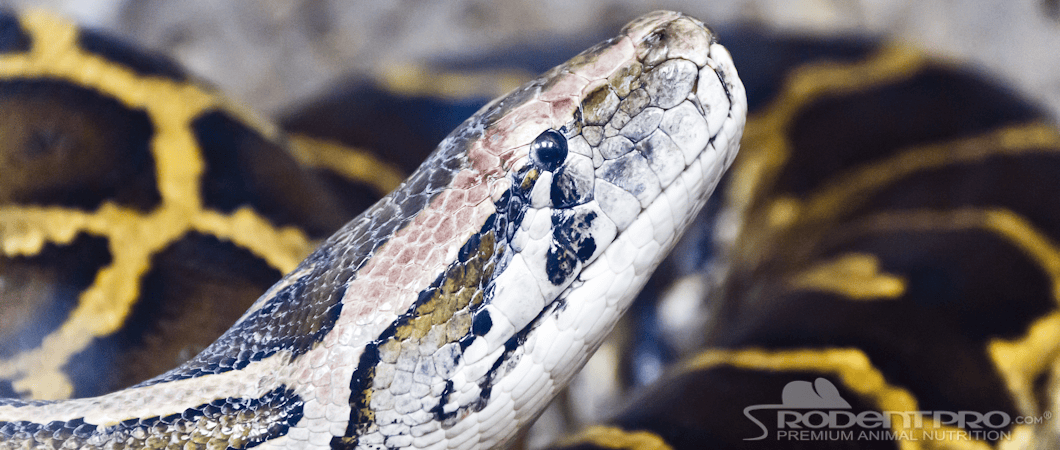
Burmese Python (Python bivittatus)
The Burmese python (Python bivittatus) and Indian python (Python molurus) were once classified as a single species. However, genetic research and differences in their appearance and geographic distribution led scientists to recognize them as two distinct species. While they remain closely related, the Burmese python is generally the larger and more widespread of the two.
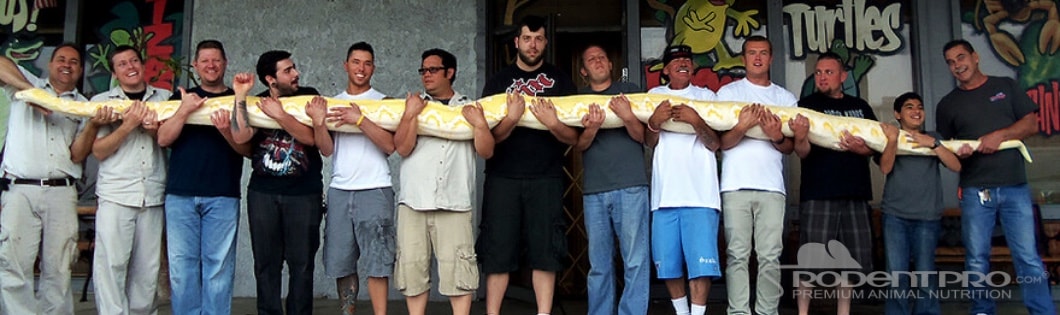
The Burmese python ranks among the largest snake species in Asia, with adults commonly reaching 10 to 16 feet in length and weighing more than 150 pounds. Exceptional captive specimens have surpassed 19 feet and exceeded 200 pounds. Native to Southeast Asia, Burmese pythons are commonly found in wetlands, marshes, grasslands, and forests and spend much of their time near water, where they are excellent swimmers.
The Indian python is native primarily to India, Pakistan, Nepal, Sri Lanka, and neighboring regions. It is typically smaller than its Burmese relative, with most adults reaching around 10 to 12 feet in length, although exceptionally large individuals may exceed 15 feet. Indian pythons are more commonly associated with dry forests, scrublands, rocky hillsides, and open grasslands, though they also occur near rivers and wetlands.
Both species are powerful ambush predators that feed on a wide variety of mammals, birds, and reptiles. After seizing their prey with rows of backward-curved teeth, they rapidly wrap their muscular bodies around the animal, using constriction to stop blood circulation before swallowing it whole.
4. African Rock Python
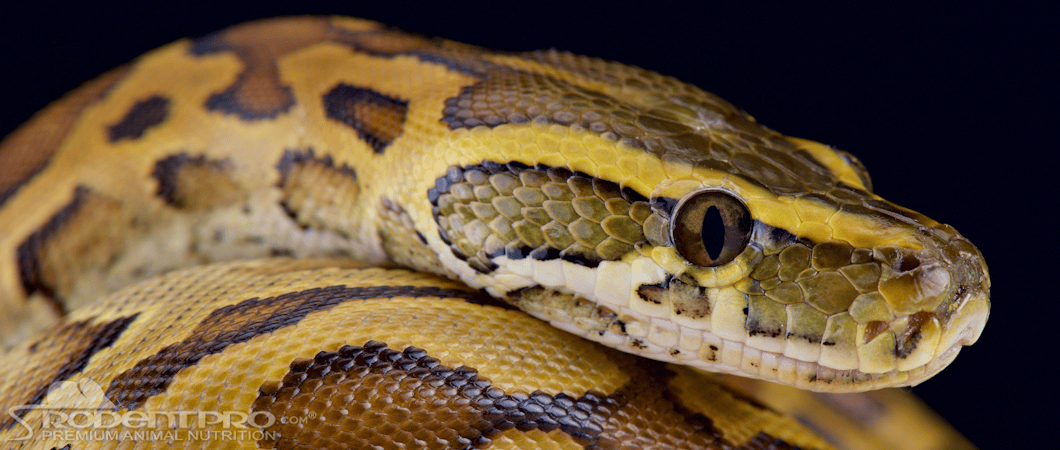
African Rock Python (Python sebae)
The African rock python was once considered a single species but is now recognized as two distinct species: the Central African Rock Python, also commonly known as the Northern African Rock Python (Python sebae), and the Southern African Rock Python (Python natalensis). Although the common name "Northern" is still widely used, this species is primarily found throughout western, central, and parts of eastern sub-Saharan Africa rather than North Africa. Together, these two species rank among the largest and most powerful snakes in the world.
The Central (Northern) African rock python is generally the larger of the two species, with large adults measuring approximately 12 to 18 feet in length while exceptional individuals may exceed 19 feet. It inhabits tropical forests, wetlands, rocky outcrops, and savannas across much of western, central, and eastern Africa.
The Southern African rock python is distributed across southern Africa, including South Africa, Botswana, Zimbabwe, Mozambique, Namibia, Zambia, and neighboring countries. While typically slightly smaller, Southern African rock pythons commonly measure 12 - 15 feet in length, exceptionally large individuals can exceed this size. It is most commonly found in grasslands, woodlands, river valleys, and savannas.
Although these two species look remarkably similar, they differ in their geographic ranges, average size, and subtle physical characteristics. Both are powerful ambush predators that feed on a wide variety of prey, including monkeys, warthogs, antelope, birds, rodents, and other mammals. Like other large constrictors, they overpower their prey with powerful coils before swallowing it whole.
3. Scrub Python
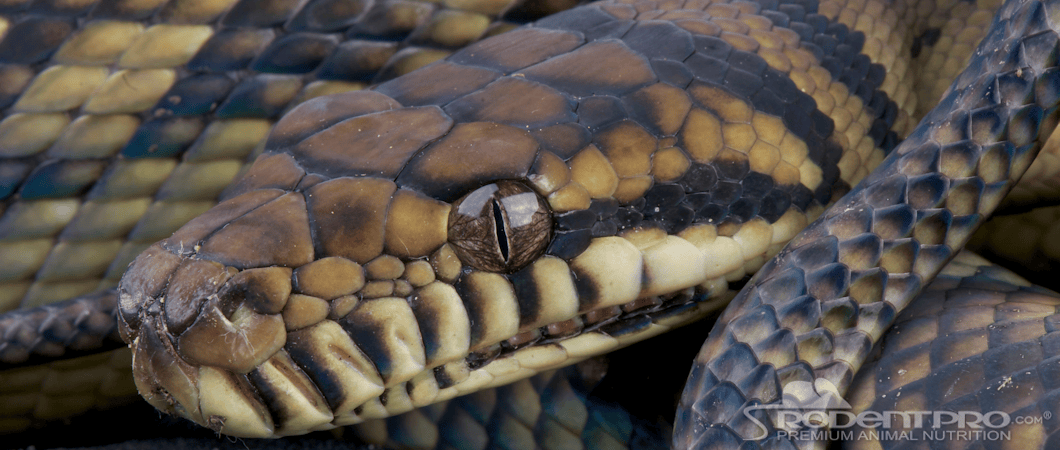
Amethystine Python (Simalia amethistina)
The term scrub python refers to a group of closely related species collectively known as the amethystine python complex. These impressive pythons are native to Australia, Papua New Guinea, and parts of Indonesia, where they inhabit tropical rainforests, rocky escarpments, and coastal habitats. Collectively, they rank among the longest snakes in the world, with historical reports occasionally claiming individuals exceeding 20 feet, although most adults are considerably smaller.
Today, herpetologists generally recognize five distinct species within the scrub python complex:
- Australian Scrub Python (Simalia kinghorni)
- Amethystine Python (Simalia amethistina)
- Tanimbar Python (Simalia nauta)
- Moluccan / Seram Python (Simalia clastolepis)
- Halmahera Python (Simalia traceyi)
The Australian Scrub Python (Simalia kinghorni), formerly classified as a subspecies of the amethystine python, is recognized as a distinct species. It is widely considered the largest member of the group and holds the record as Australia's longest native snake.
Despite their impressive length, scrub pythons are much more slender than giant constrictors such as green anacondas and Burmese pythons. Their lean build allows them to remain exceptional climbers throughout their lives. Even a rare 20-foot wild specimen may weigh as little as 65 to 70 pounds, making it one of the lightest giant snakes relative to its length.
Like many pythons, scrub pythons possess heat-sensing pits along their lips that help them detect warm-blooded prey, even in complete darkness. Their diet includes birds, bats, rodents, possums, and other mammals. In managed care, appropriately sized whole prey such as frozen rodents, rabbits, chickens, and quail can provide complete nutrition while encouraging natural feeding behaviors.
2. Green Anaconda
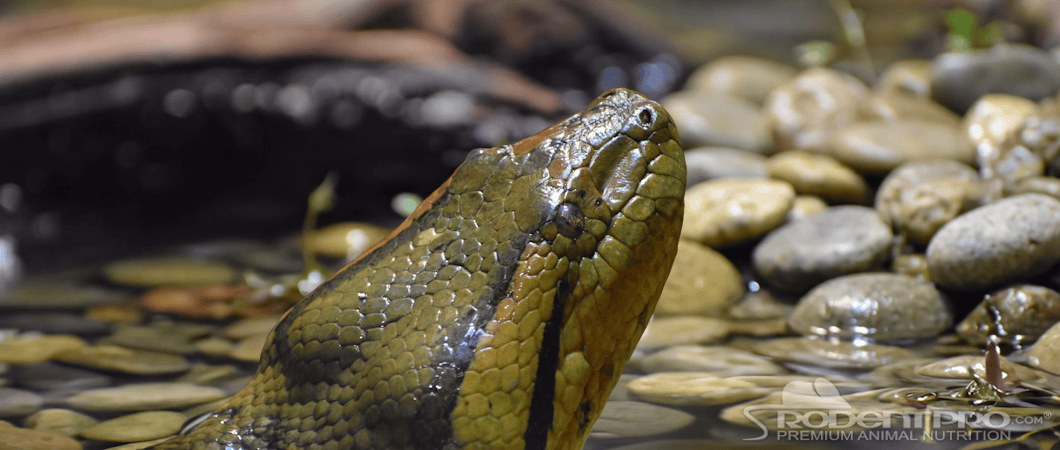
Green Anaconda (Eunectes murinus)
While not as long as the reticulated python, the green anaconda is the heaviest snake in the world. Most large adults reach 15 to 18 feet in length, but exceptionally large individuals have exceeded 20 feet and weighed well over 300 pounds.
Green anacondas inhabit the tropical wetlands and flooded forests of South America. Their massive bodies are perfectly suited for an aquatic lifestyle, with their eyes and nostrils positioned high on their head so they can remain nearly submerged while hunting.
Green anacondas prey on fish, birds, capybaras, caimans, and other large animals, overpowering their prey with incredible strength before killing it through constriction.
Recent scientific research has expanded our understanding of these giant snakes. In 2024, researchers proposed recognizing the Northern Green Anaconda (Eunectes akayima) as a distinct species from the Southern Green Anaconda (Eunectes murinus). The classification was based largely on genetic differences. Although these snakes appear remarkably similar, genetic analysis revealed they have been evolving separately for millions of years. To learn more about this groundbreaking discovery and what it means for the future of anaconda research, read our full article, The Amazon's Largest Predator: A New Species of Giant Anaconda Discovered.
1. Reticulated Python
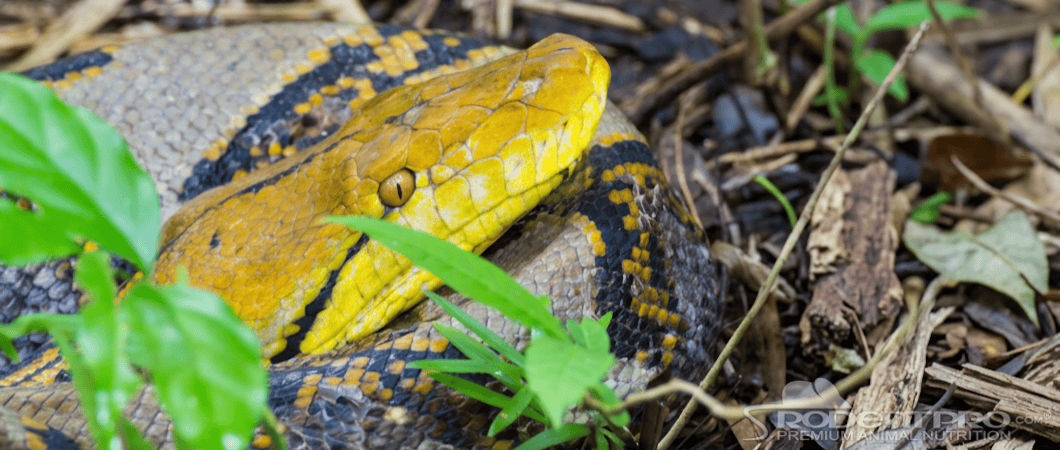
Reticulated Python (Malayopython reticulatus)
The reticulated python is the longest snake in the world. Large adults may exceed 20 feet, while exceptional individuals can grow beyond 25 feet. The longest verified captive reticulated python was Medusa, who measured 25 feet 2 inches. In 2026, a wild female named Ibu Baron was officially measured at 23 feet 8 inches in Indonesia, establishing a new verified record for the longest wild snake.
Native to Southeast Asia, reticulated pythons inhabit rainforests, rivers, and wetlands. They are excellent swimmers and skilled climbers, although the largest adults spend more time on the ground due to their tremendous weight, which can exceed 200 pounds.
Like all pythons, reticulated pythons are nonvenomous constrictors. They consume birds and mammals ranging from rodents to wild pigs and small deer. Their common name comes from the intricate, net-like pattern covering their body, as "reticulated" means "resembling a net."
Despite their incredible size, reticulated pythons are surprisingly agile and are capable of climbing trees when young. As they mature and become heavier, they spend more of their time on the ground or in the water.
Get Premium Quality Food for your SNAKE
Whether you own one of these giant serpents or something at the opposite end of the spectrum such as a baby corn snake, you can count on RodentPro.com to provide your pet with only the finest premium quality frozen animal food!
Choose from a wide variety of frozen foods to suit your pet's nutritional requirements.